What can you do with a Master of Science in Nutrition?
Careers in Nutrition are diverse and in-demand. According to the latest research, employment in this sector is expected to grow 8% annually.
Why the steady growth? Now, perhaps more than ever, people are interested in taking control of their health, and are seeking solutions beyond traditional healthcare institutions.
Natural Medicine, Exercise Science, and Nutrition Science specialists are helping more and more people in their communities to understand their health needs, embrace preventative care solutions, and other treatments designed to optimize wellness.
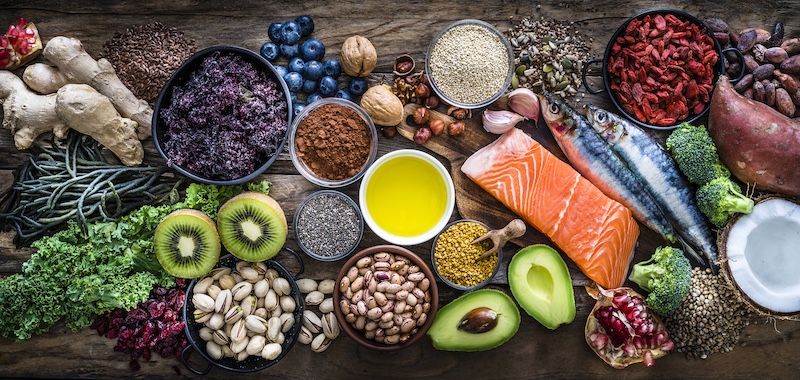
At NUNM, we believe that food is medicine, and that a wholesome, balanced, and personalized approach to nutrition can have a profound impact on an individual’s health.
Students graduating with their MScN have access to a variety of careers across several industries, including traditional health systems, public health, food service management, education, and more.
The bottom line is that Nutrition professionals can use their knowledge to create a real impact in the communities they serve, by creating meal plans, nutritional guidelines, and evidence-based nutritional recommendations that both educate and nourish.
In order to help prospective students receive the education that best aligns with their goals, NUNM has created two unique pathways for earning a Master of Science in Nutrition degree: Clinical Nutrition, and Culinary Nutrition.
Clinical Nutrition and Culinary Nutrition: What’s the Difference?
Two distinct tracks are offered: Clinical Nutrition and Culinary Nutrition.
These concentrations are designed specifically to meet the needs of our students’ career goals, giving them focused curricula that make them better prepared to enter the workforce after graduation.
Clinical Nutrition at NUNM
Clinical Nutrition was developed for students who want to use their education in nutrition as a means providing nutrition-based care in healthcare settings.
Students learn culinary skills, evidence-based nutritional knowledge, the application of nutrition for the treatment of disease, clinical assessment, and how to personalize this expertise to the individual.
Beyond these foundational skills Clinical Nutrition students will undergo training in:
- Medical Nutrition Therapy — Medical Nutrition Therapy (MNT) is a “A nutrition-based treatment plan to help manage or treat certain health conditions” that involves the evaluation of a patient’s current nutritional intake in order to create a personalized nutrition plan. MNT treatment is often used for conditions such as cancer, malnutrition, obesity, diabetes, heart and kidney disease, and digestive issues.
- Nutritional Biochemistry — Nutritional Biochemistry involves how the human body’s biological processes are affected by certain foods, and how those foods can impact functions such as metabolism and physiology
- Patient-Centered Care and Interdisciplinary Collaboration — The development of skills that help students ally with other care team professionals to put the patient’s needs and goals first when developing treatment plans
- Clinical Assessment — The ability to evaluate a patient or community’s diet and lifestyle that may correlate to symptoms, imbalances, and other nutrition-based needs
NUNM’s MScN in Clinical Nutrition is an accredited program, and meets eligibility requirements for Certified Nutrition Specialist credentialing, and meets licensure requirements in many US states.
Learn more about Clinical Nutrition
Culinary Nutrition at NUNM
Culinary Nutrition was developed for students seeking a different career path than their Clinical Nutrition colleagues, one where they could use their knowledge of food and the human body in order to develop recipes, create menus, and design nutrition guidelines that promote healing and nourishment.
Beyond the development of culinary skills, Culinary Nutrition students undergo intensive training in:
- Culinary Medicine — Culinary Medicine is an evidence-based field that “blends the art of food and cooking with the science of medicine” to create and share nutrition recommendations designed to prevent disease and optimize wellness.
- Food Relationship Coaching — This entails the training and application of interpersonal communication skills designed to inspire understanding and create motivated change in individuals who need support building sustainable, health-promoting habits around food and nutrition.
- Food Marketing and Communication — Food Marketing and Communication helps students turn their education into stories that resonate with different audiences, cultural backgrounds, and levels of nutritional awareness, to build relationships, trust, acceptance, and meaningful change.
Though the MScN Culinary concentration is not eligible for licensure, it does create professional pathways for graduates in the realms of nutrition education, wellness coaching, corporate wellness, program development, and other culinary medicine specialist roles. With a few additional courses, students could be eligible for the CNS certification and licensure in some states.
Learn more about Culinary Nutrition
Make an Impact with an MScN Degree at NUNM
To learn more about our Nutrition education offerings, contact our Admissions team today. We’d love to learn about you and your goals.