The Future of Exercise Science Starts at NUNM
At NUNM, we believe that movement is medicine. It’s a simple but powerful concept, one that has helped to create the foundations for our Bachelor of Science in Exercise Science and Exercise Science Certification programs.
The study of Exercise Science teaches students how to expertly apply exercise physiology, biomechanics, and clinical assessment techniques through the lens of natural, whole-person healthcare.
When personalized to an individual’s unique needs and goals, Exercise Science has the potential to prevent disease and transform a person’s health.
This field of Exercise Science is rapidly growing, with experts in clinical, athletic, and community-focused settings continuously seeking new ways in which its practices can be used to help a person optimize their athletic performance and promote their long-term wellness.
Here are just some of the latest trends that are shaping the future of Exercise Science and how people are using exercise to prevent, heal, and exceed former limitations.
Wearable Tech
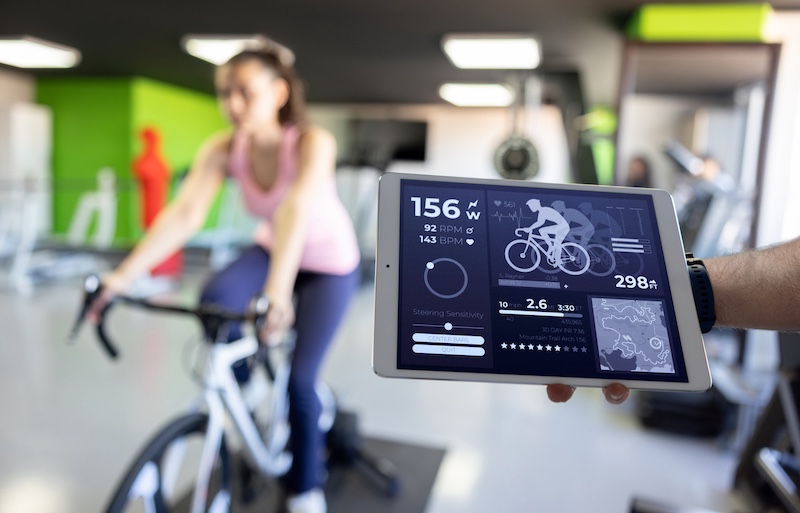
One space where Exercise Science is benefitting is in wearable technology.
Though Fitbits, Apple Watches, and Oura Rings are among the most recognizable names in wearable fitness technology, wearable technology is an incredibly diverse and still rapidly growing market.
Fortune Business Insights projects that wearable technology will grow “from $96.44 billion in 2026 to $231.43 billion by 2034.”
While that’s undeniably big business, the growth of wearable technology speaks to something even bigger: That people are increasingly interested in monitoring themselves so they can improve their health and optimize their performance.
In this context, data is power — and it’s personal! What’s more, with the guidance of an experienced professional, this data can also be actionable.
Exercise Science professionals can use this data, often pertaining to heart rate, activity level, stress, and sleep quality, to create even more personalized exercise plans designed to prevent disease and promote wellness.
As this market continues to grow, consumers and Exercise Science pros will be empowered to gain even more personalized, real-time insights into a person’s health and wellness, creating the potential to customize a person’s fitness program to a degree never before possible.
Nutrition and Exercise Science
At NUNM, exercise is medicine — and nutrition is, too!
Exercise Science is an interdisciplinary field of study, one that takes into account not only the client’s general health and wellness, but also environmental factors, cultural considerations, mental and emotional characteristics, and even the foods a person eats.
The natural medicine approach to wellness is a whole-person approach, including the quality and quantity of foods a person eats.
The worlds of Exercise Science and Nutrition Science are progressively becoming more collaborative in an effort to provide patients the most comprehensive wellness plans available.
In practice, an Exercise Science professional would use a client’s health data, in conjunction with their fitness and wellness goals, to create a personalized plan that would also include individualized dietary guidelines.
These fields will only continue to grow in demand and in sophistication, with technology advancing and natural medicine professionals finding new ways to combine them into an integrative, whole-person wellness plan.
Exercise and Aging
Another area where Exercise Science is growing is in the realm of exercise and aging, where experts are gaining a clearer understanding of what happens to the body at a cellular level during the aging process, and how certain types of exercise can support healthier aging.
Can endurance and resistance-based exercise slow down or even reverse certain age-related conditions like frailty or even cancer? Outlooks are positive.
When personalized to the individual, many experts have found that exercise can be used in the place of pharmaceuticals, in addition to improving strength, cognitive function, and cardiovascular health.
Exercise and Mental Health
Similarly, researchers are drawing correlations between exercise and mental health, where the application of exercise is helping to alleviate the symptoms of depression, anxiety, and other conditions through the release of endorphins.
Exercise is also proven to be a positive way to gain confidence and create social connections.
Exercise Science experts are key in this process in that they can personalize an exercise plan to the individual, helping to ensure that physical activities are being planned and engaged with in a healthy, measured way.
Learn How Exercise Science is Right for You
Whether you’re seeking Exercise Science Certification, a Bachelor of Science in Exercise Science, or are building a foundation to become a Doctor of Naturopathic Medicine, NUNM can help you craft the education you need to achieve your career goals.
Contact us today to learn more about our Exercise Science offerings.