NUNM Students Bring Oregon’s Chinese Medicine History to Life
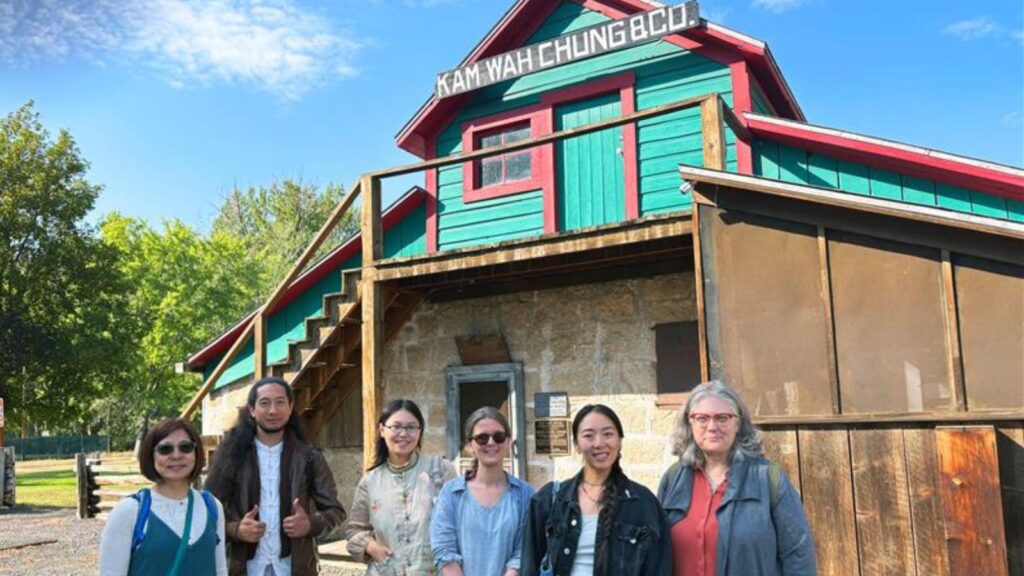
At the National University of Natural Medicine, students not only study Chinese medicine from textbooks. They step into its history, stand in the spaces where it was practiced, and contribute directly to preserving its story in the Pacific Northwest.
In the high desert of eastern Oregon, a small brick building stands quietly in the town of John Day. From the outside, it appears unassuming. Inside, it holds one of the most extraordinary preserved Chinese medicine apothecaries in North America.
Known as Kam Wah Chung, commonly translated as Golden Chinese Outpost, this former herbal medicine practice offers a rare link between nineteenth-century Chinese medical tradition and modern integrative healthcare education.
For NUNM students, it is not simply a museum exhibit. It is a reminder that Chinese medicine has long been part of Oregon’s healthcare landscape and that their future profession has roots deep in the region they now serve.
A Frontier Healer in His Community
Ing Hay arrived in Oregon in the 1870s as part of a large wave of Chinese immigrants drawn to eastern Oregon during the gold-mining boom. As mining camps evolved into permanent towns, Ing Hay established a general store and Chinese herbal medicine practice in John Day with his business partner, Long On.
From this small apothecary, Ing Hay treated miners, ranchers, railroad workers, and townspeople. Many had little access to Western medical care. Using traditional diagnostic techniques, including detailed pulse assessment, he prepared customized herbal formulas from an extensive medicinary imported from China. Oral histories preserved by museum staff recount local families relying on his care long before rural hospitals or pharmacies existed. https://friendsofkamwahchung.com/
Today, the apothecary shelves still hold hundreds of original herbs, medical texts, handwritten prescriptions, and tools of practice preserved in remarkable condition.
A Door Closed and Reopened
In 1945, Ing Hay left John Day to seek medical treatment. He intended to return, but passed away a few years later. The apothecary door closed and remained sealed for decades with its contents untouched inside.
When the city later considered demolishing the building, officials opened it to assess what remained and discovered a fully preserved Chinese herbal medicine practice frozen in time. Instead of tearing it down, the community protected it. Today, Kam Wah Chung is managed as an Oregon State Heritage Site.
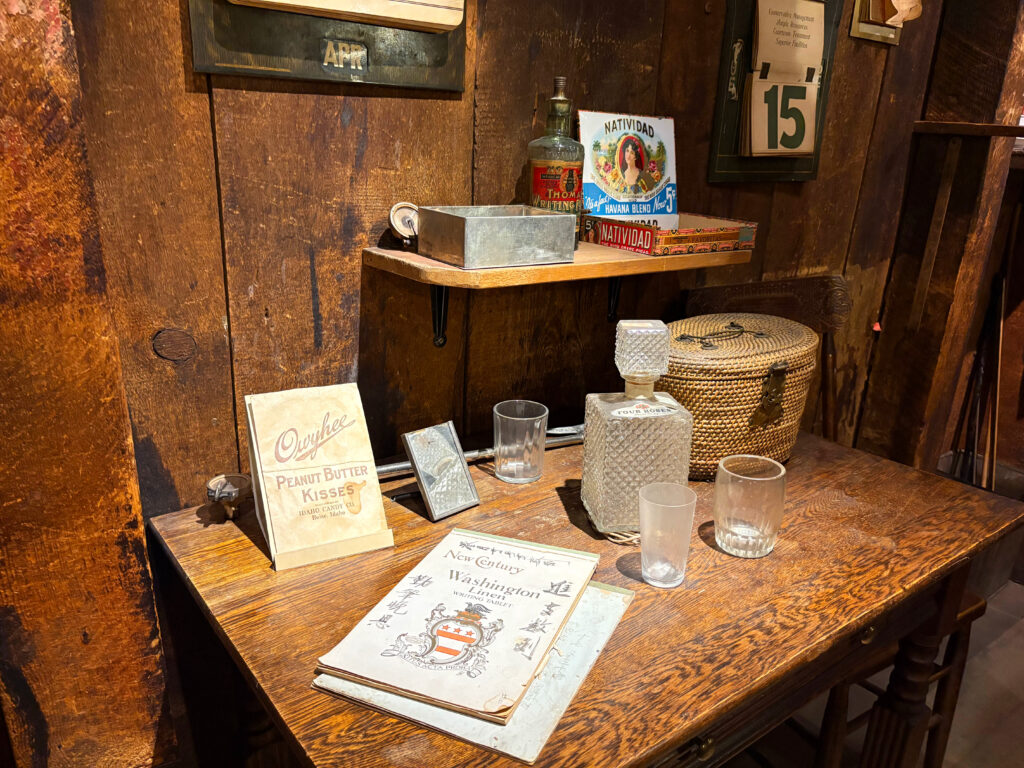
Inside Kam Wah Chung 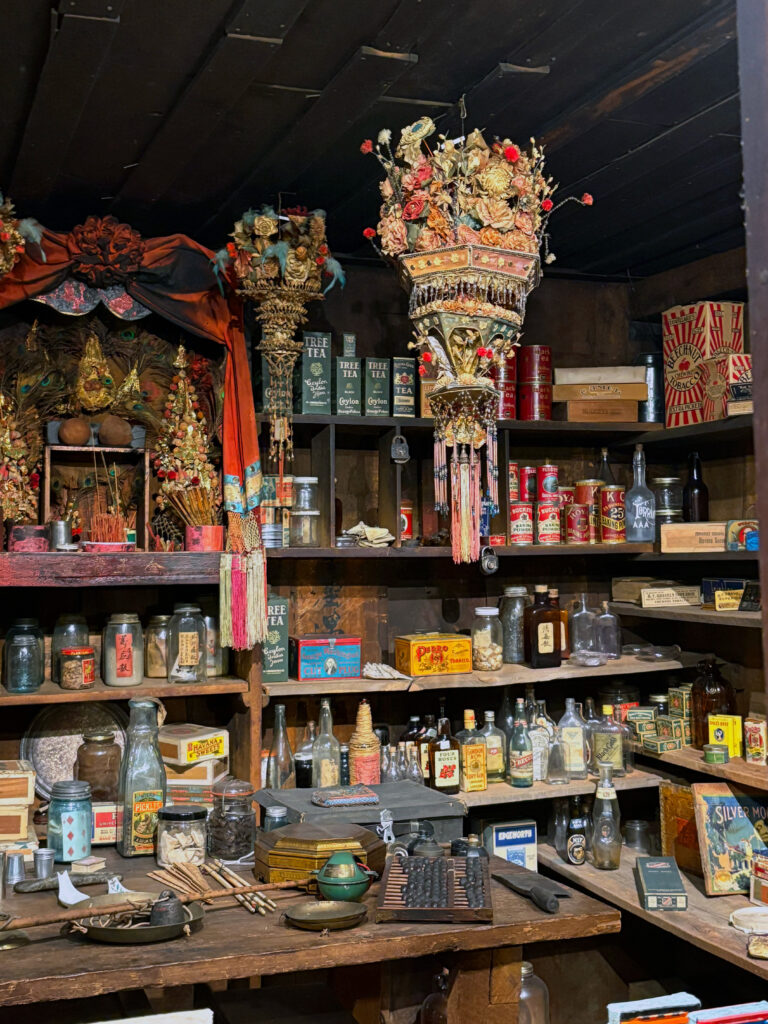
Kam Wah Chung Medicinary 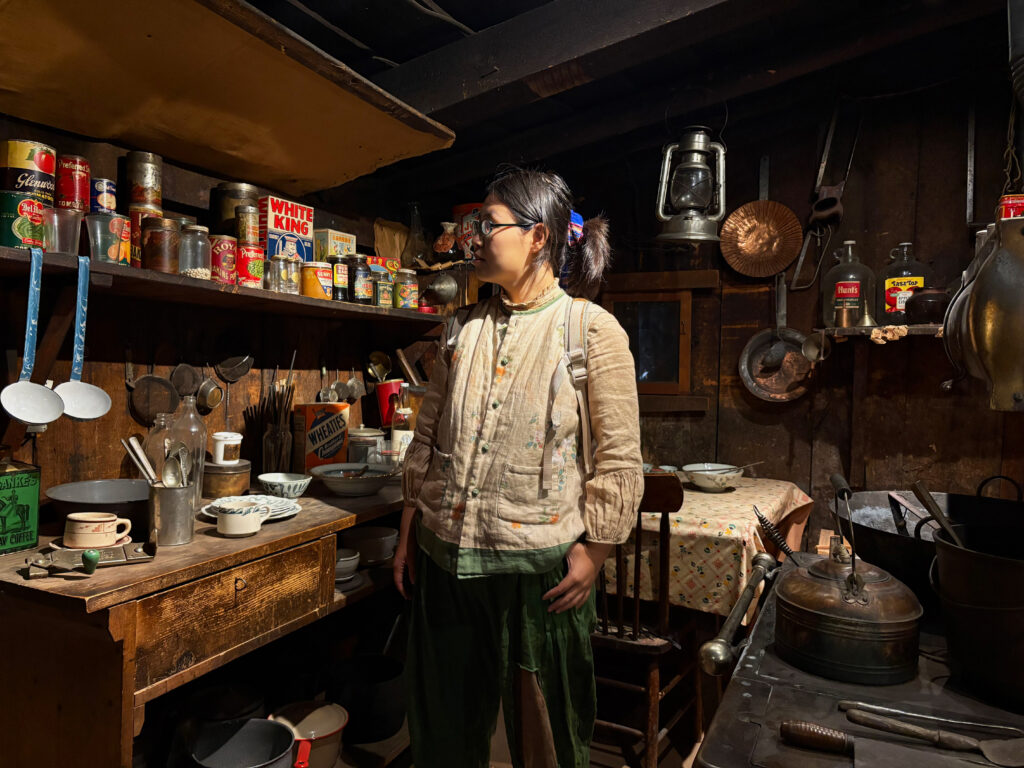
NUNM student touring Kam Wah Chung 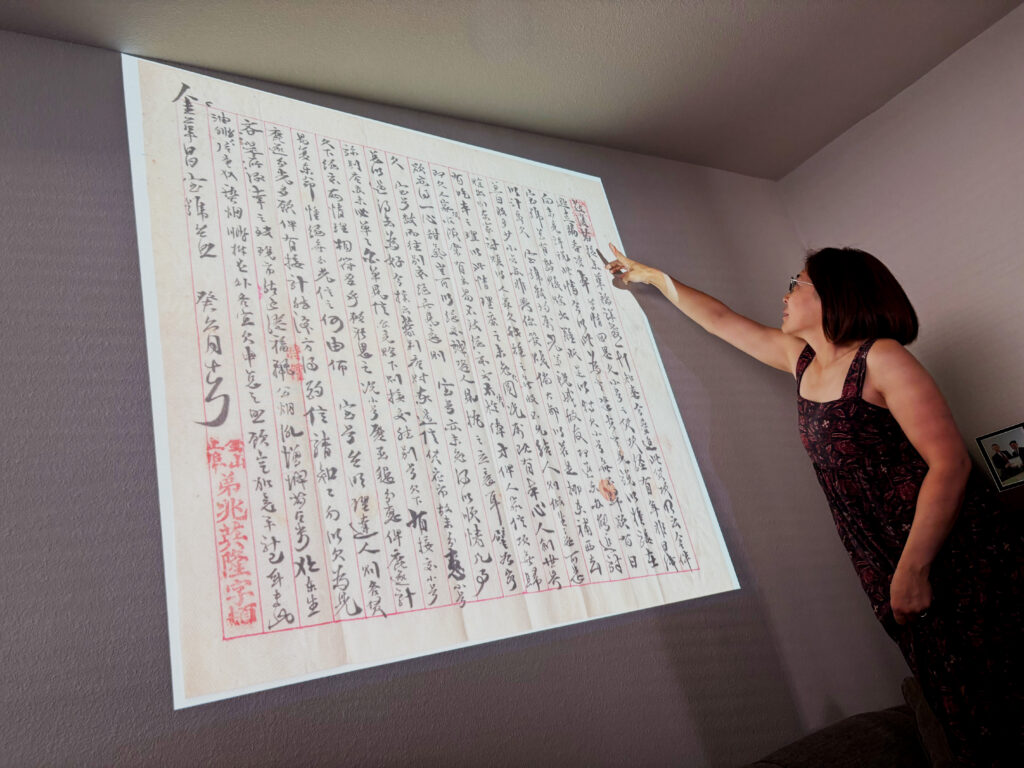
Reviewing writings at Kam Wah Chung 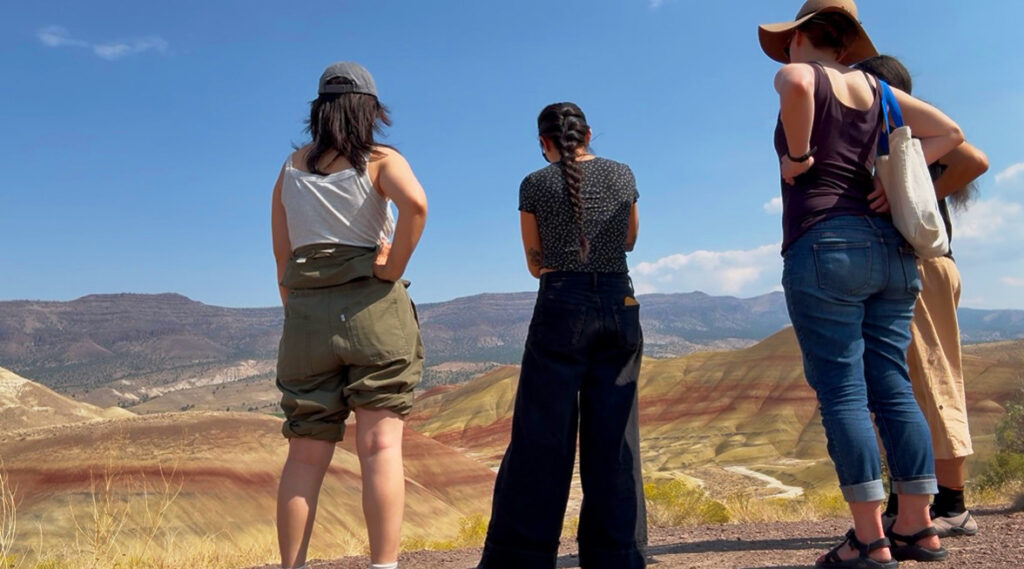
NUNM students visit John Day
Where NUNM Students Step Into History
For NUNM’s Chinese Medicine program, Kam Wah Chung offers a rare opportunity to connect classroom learning with historical practice on site. In recent years, NUNM students and faculty have organized field visits to John Day, traveling across the state to study the site firsthand.
Inside the tiny apothecary, students examine preserved herbs, original medical texts, and handwritten prescriptions. Outside, they visit the cemetery where Ing Hay and Long On are buried and offer incense and traditional respects. For many students, particularly those with Asian heritage, the experience is both academically and personally meaningful.
These visits are part of a broader effort to bring Chinese medicine history into modern education and to contribute scholarly support to the preservation of the site.
Where Student Research Meets Living History
NUNM students and faculty recently completed a collaborative project with the Oregon Historical Society Traveling Trunk Program, in which they developed an education kit containing lesson materials and activities that highlight Ing Hay as an Oregon change-maker and demonstrate how traditional Chinese herbal medicine supported frontier communities.
As part of this project, NUNM students conducted background research on the types of herbs Ing Hay used in his practice from the 1880s through the 1940s. They helped design hands-on learning materials, including herb samples and calligraphy, to introduce K-12 students across Oregon to Chinese medicine through sensory-based learning.
For students, this project represents real-world scholarship that contributes research, cultural knowledge, and professional expertise to a statewide educational initiative.
Why This Story Matters at NUNM
At NUNM, students learn Chinese medicine as a living and evolving clinical system. Kam Wah Chung offers direct evidence of how this medicine once functioned in everyday American life, serving real communities under frontier conditions.
For current students, standing where Ing Hay once practiced connects theory to lineage, tradition to innovation, and past to future. It reinforces that Chinese medicine in the United States is not new. It has deep historical roots shaped by practitioners who built trust, provided care, and adapted knowledge to new landscapes.
In a quiet brick building in John Day, shelves of herbs still wait, not just as artifacts, but as teachers for the next generation.