Learn to Evaluate Research. Strengthen Your Clinical Decisions.

Nutrition advice is everywhere. With new research, social media trends, and AI generated health information constantly emerging, knowing which evidence to trust is more important than ever.
Join the Evidence-Based Nutrition Workshop, a free, two-day online learning experience designed to help nutrition and healthcare professionals confidently evaluate research and apply scientific evidence to real clinical decisions.
Saturday & Sunday, November 14 – 15, 2026
9:00 a.m. – 1:00 p.m. PST | Live Online | Free, but registration is required
Through interactive clinical cases, expert-led instruction, and hands-on exercises, you’ll develop practical skills to strengthen your approach to evidence-based nutrition care.
What You’ll Learn
Whether you’re an experienced clinician or a student preparing to enter the field, this workshop will help you build the skills to:
- Find reliable nutrition research using effective literature search strategies.
- Evaluate scientific evidence from clinical guidelines, randomized controlled trials, observational studies, and systematic reviews.
- Recognize research limitations and distinguish meaningful findings from unsupported claims.
- Apply research to patient care through real-world clinical cases and practical exercises.
- Make more informed clinical decisions while considering individual patient needs and circumstances.
The workshop is free, but registration is required.
A Hands-On Approach to Evidence-Based Nutrition
This isn’t a traditional lecture-based workshop.
Across two mornings, you’ll work through real-world clinical cases presented in stages. Between each segment, ENER-G faculty will introduce an essential evidence-based practice skill, followed by a small-group exercise where you’ll put that skill to work.
You’ll learn how to search for relevant research, assess the quality of scientific evidence, and use your findings to inform clinical decisions.
By the end of the workshop, you’ll have practical tools and strategies you can bring directly into your clinical practice.
Who Should Attend?
This online nutrition workshop is designed for healthcare professionals, students, and trainees who want to strengthen their ability to interpret scientific research and apply evidence to clinical practice.
Participants may include:
- Clinical nutritionists and Certified Nutrition Specialists (CNS)
- Registered dietitians and nutrition professionals
- Physicians and naturopathic doctors
- Pharmacists and other healthcare providers
- Students and trainees in nutrition and the health sciences
No matter your experience level, you’ll gain practical skills for navigating nutrition research and making evidence-informed decisions.
Clinical Cases
Using Wearable Technology to Inform Evidence-Based Personalized Nutrition and Drive Behavior Change
Presented by Lara Zakaria, PharmD, MS, CNS, CDN, FMCP

Wearables give patients more data than ever on glucose, sleep, heart rate, HRV, activity, and recovery, but more data doesn’t automatically mean better decisions. This case follows a perimenopausal woman with weight-loss resistance and metabolic health concerns, pairing each clinical decision with a look at the evidence: what devices measure well, where interpretation breaks down, whether tracking changes behavior, and when less data is the better choice.
Dr. Lara Zakaria is an integrative pharmacist, nutritionist, and professor specializing in Functional Medicine and Personalized Nutrition. In addition to clinical practice and teaching, her work focuses on translating complex science, spanning nutrition, natural products, diagnostics, and health technology, into clear, clinically relevant frameworks that support education, implementation, and informed decision-making.
An Evidence-Based and Size-Inclusive Approach to IBS-M with ADHD, Anxiety, and PMOS
Presented by Jamie Menzel, MScN, CNS, LDN

How do you address a client’s digestive distress when they don’t know their dietary triggers and struggle to remember to eat at all? This case follows a young adult woman with IBS-M, ADHD, anxiety, and PMOS. It shows how consistent meals, adequate fiber and protein, and gentle trigger identification can reduce symptoms without fueling food fear. Attendees will leave with practical, evidence-informed strategies for neurodivergent clients with overlapping GI and mental health concerns.
Jamie Menzel is a clinical nutritionist in Portland, OR, and founder of Sword Fern Nutrition. She is adjunct faculty at NUNM, where she teaches Nutrition for Mental Health, and a clinical research assistant in the SNACK Lab (Science of Nutrition, Affect, and Cognition in Kids) at OHSU.
ENER-G Faculty
Heather Zwickey, PhD
Search Methods; Observational Studies

How do you find the research that actually answers your clinical question? Heather covers efficient search strategies and how to read observational studies, which are the backbone of much of the nutrition literature, including what they can and can’t tell you about cause and effect. Each topic is followed by a hands-on practicum.
Dr. Zwickey, PhD, is Vice President of Research at the National University of Natural Medicine (NUNM) and a co-principal investigator of ENER-G. An immunologist by training, she has spent her career building research capacity and evidence-based training programs in integrative health.
Joshua Goldenberg, ND
Guideline Evaluation; Randomized Controlled Trials; Systematic Reviews

Not all guidelines, trials, or reviews deserve equal trust. Joshua shows how to judge the quality of clinical practice guidelines, spot the strengths and weak points of randomized trials, and appraise systematic reviews, then apply each skill directly to the weekend’s cases.
Dr. Goldenberg is Director of Research at NUNM’s Helfgott Research Institute and a co-principal investigator of ENER-G. He directs CREST, a virtual evidence-synthesis training program, and teaches in NUNM’s Master of Science in Clinical Research program. He is a past president of the Gastroenterology Association of Naturopathic Physicians, serves on the World Naturopathic Federation Research Committee, and is a PhD candidate in epidemiology at Maastricht University.
Clinton Allred, PhD
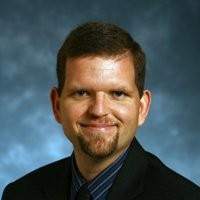
Dr. Zwickey and Dr. Allred will open the weekend with an introduction to ENER-G, the NIH-funded program behind this workshop, and what evidence-based nutrition practice looks like in the clinic. They close it by connecting the cases and appraisal skills into an approach you can use with your own patients.
Clinton Allred, PhD, is a Professor of Nutrition at the University of North Carolina Greensboro (UNCG) and a co-principal investigator of ENER-G. His research examines how dietary compounds and the gut microbiome influence chronic disease.
Supported by NIH Grant R25DK130848