Academics

Doctor of Naturopathic Medicine (ND) Program

Study at the original accredited naturopathic medical school.

The National University of Natural Medicine in Portland, Oregon is home to North America’s first and most renowned naturopathic medical school. Our accredited Doctor of Naturopathic (ND) program is focused on how to succeed in practice, curb the current epidemic of chronic disease, and make a meaningful impact on the communities we serve.

Online Icon

Optional
First Year Online

Program Length Icon

Program Length:
3, 3.5, 4, or 5 Years

Total Credits

Total Credits:
269

Per Credit Cost Icon

Per Credit Cost:
$538

Overview of ND Program

Green Titles Layout

Curriculum

View the full course catalog   

Certificate Programs

Expand your knowledge

Our Faculty

Learn from experts

Prerequisites

How to be prepared  

Application Requirements

See what you need to apply 

Tuition & Fees

Understand the estimated costs   

Your First Year: In-Person or Online | NUNM
woman in classroom smiling at computer

Your First Year: In-Person or Online

Experience flexibility with our innovative and unique online option for the first year, allowing you to complete 25% of your ND degree remotely or 100% of it on campus.

Which is right for you?

What is Naturopathic Medicine?

Naturopathic medicine is a whole-person approach to health that focuses on restoring and optimizing wellness. It is a distinct system of health care—an art, science, philosophy and practice of diagnosing, treating and preventing disease.

Clinical Training in Naturopathic Medicine | NUNM

Clinical Training in Naturopathic Medicine

Students at NUNM learn real-world clinical skills in our on-campus teaching clinic starting in year one, completing more than 1,200 clinical learning hours upon graduation.

Learn more about clinical training
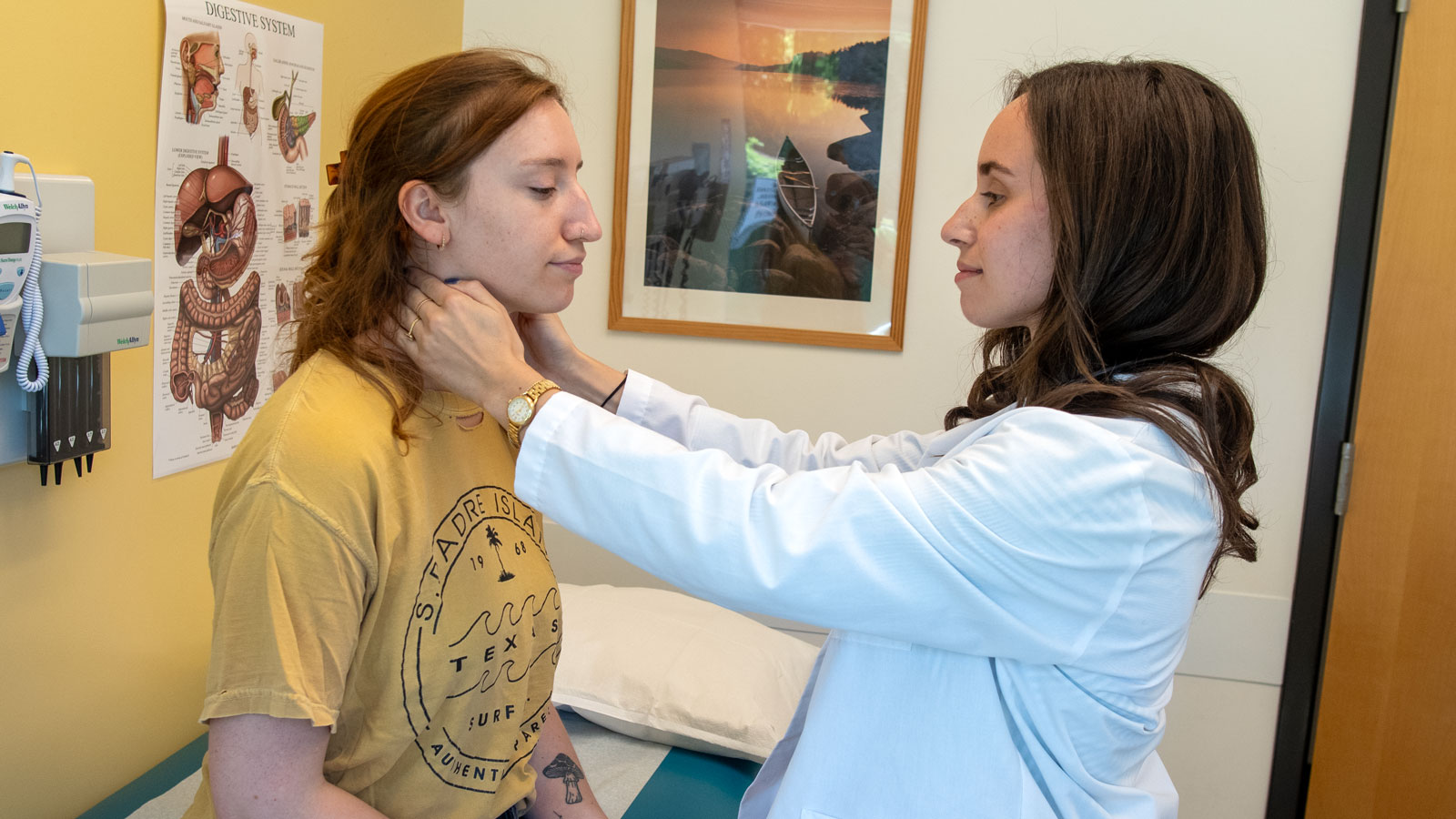
NUNM naturopathic student providing care to a patient in the teaching clinic

Preparing You for a Future in Healing
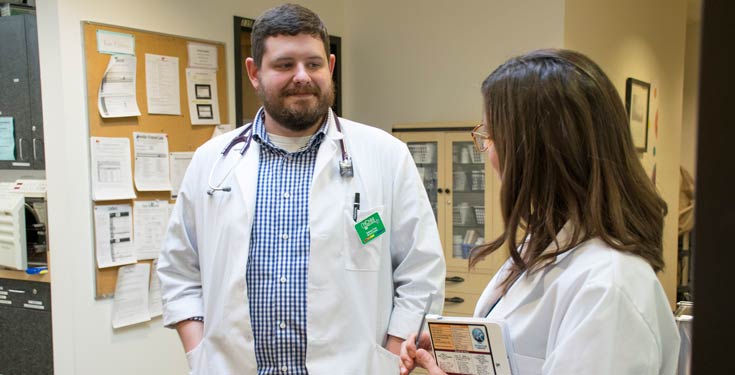
Image Gallery with Boxes

Alumni Outcomes

Nutrition Alumni Outcomes

NONPROFIT EXECUTIVE DIRECTOR 
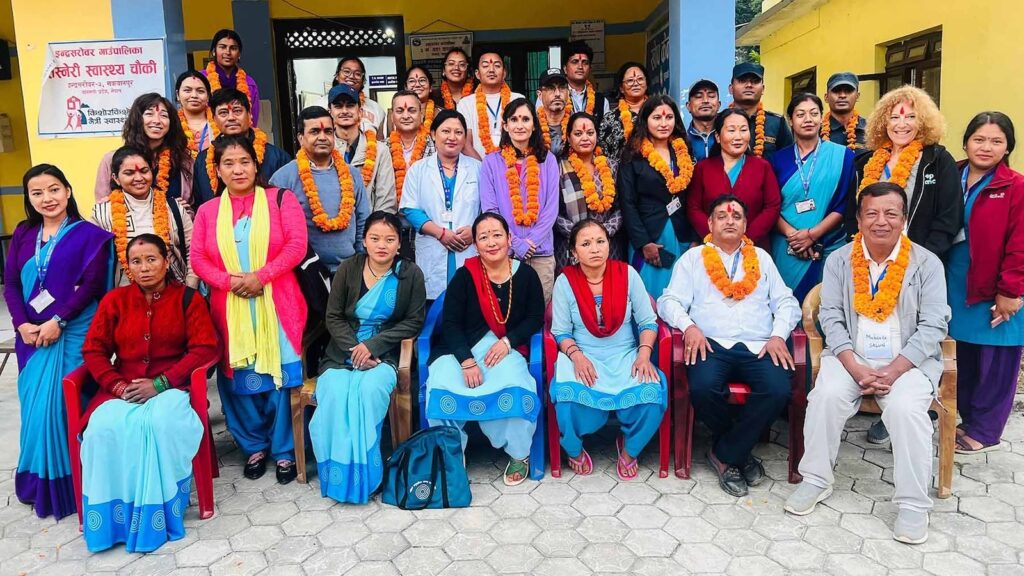
group of people in Nepal

Erin Willis ’14

ParticipAid co-founder reflects on health education in Nepal.
RESEARCHER 

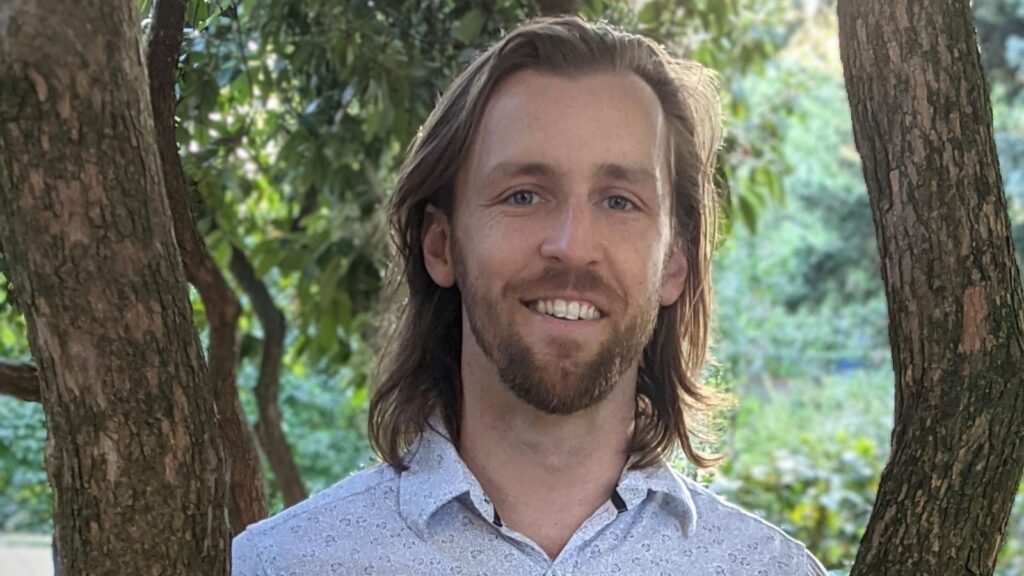
Matthew Hicks standing in front of trees

Matthew Hicks ’18

Psilocybin expert advises state on psychedelic treatment services.

Entrepreneur & Chocolatier

Melissa Berry

Melissa Berry ’08

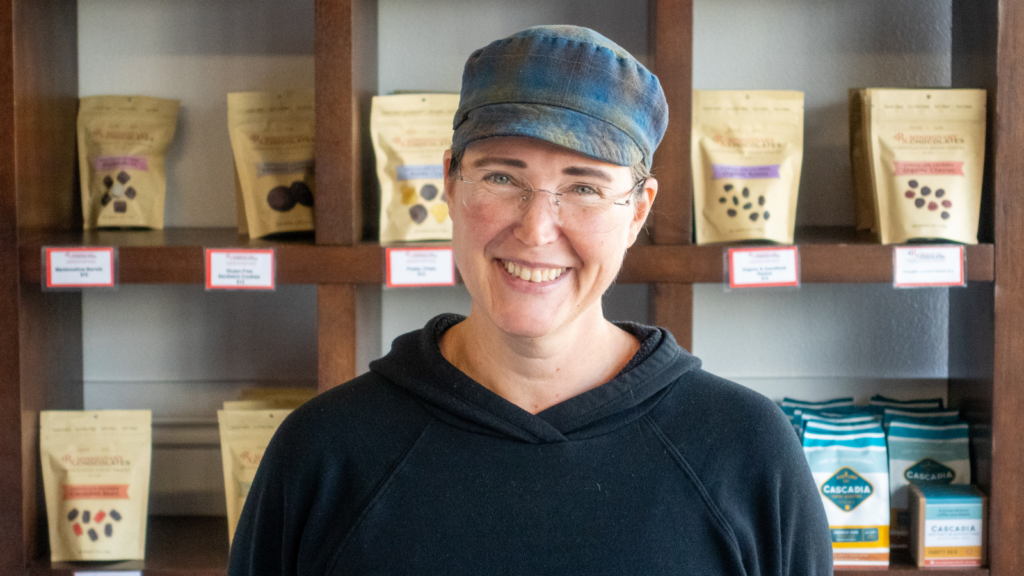
Missionary Chocolates owner merges art and science in craft.
PHYSICIAN & AUTHOR

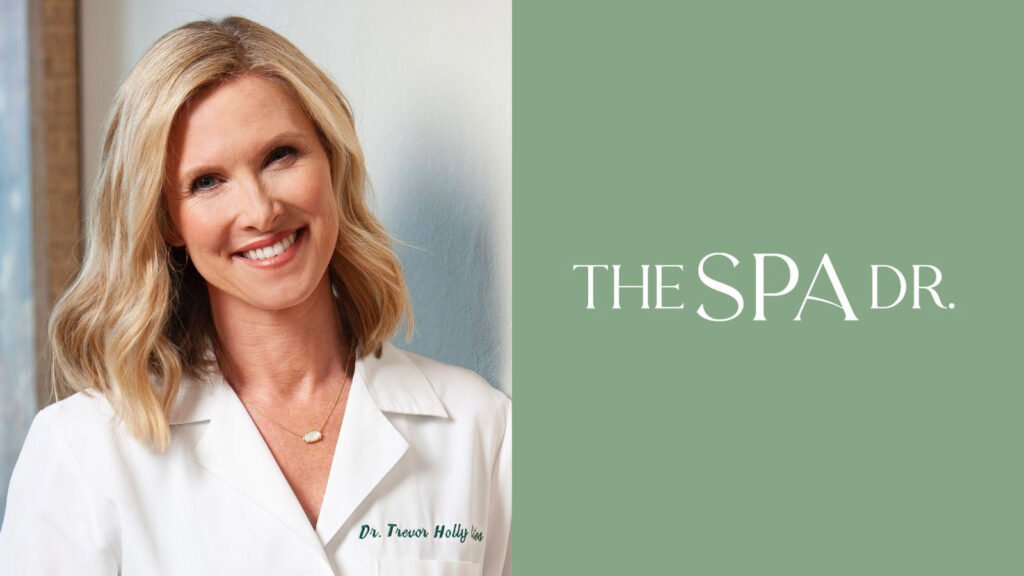
The Spa Dr.

Trevor Cates ’00

‘The Spa Dr.’ founder sells company to tech e-commerce group.

Frequently Asked Questions

Naturopathic physicians in the United States and Canada are licensed differently across states and provinces due to variations in regulatory standards and legal requirements, resulting in a variety of regulations governing their practice. Learn more about naturopathic licensing from state to state
Yes, as a private, non-profit university, tuition is the same for both residents and non-residents of Oregon.
The online first-year ND program at NUNM mirrors the intensity of the in-person ND medical program. Over three terms (Fall, Winter, and Spring), students complete 26 credits per term, totaling 312 instructional hours. Expect roughly 21 hours of weekly self-paced online coursework and 5 hours of scheduled synchronous tutorials. Students should dedicate 1-2 hours of study, group work, assignments, and exam prep per instructional hour. This workload is estimated to be around 60+ hours per week. First year in-person or online? Learn which option is right for you!
Not entirely. In the first year of online naturopathic school, around 80% (20-22 hours) of instruction is asynchronous, allowing students to access course materials conveniently. The remaining 20% (4-6 hours) consists of scheduled tutorials with faculty that require attendance.
Clinical education in the first year includes 30 didactic/tutorial hours and ten clinical observation hours. Overall, 1,254 clinical training hours are required for graduation. These accumulated hours also count toward the 4,100 hour minimum necessary for accreditation by the Council of Naturopathic Medical Education (CNME).
Yes, first-year students will have the option to take electives. ND students are required to complete a total of 16 elective credits to enhance the breadth of their education, but we suggest that students take no more than three electives in their first year.
The tutorials will be delivered via a hybrid model: independent, group work and scheduled synchronous time. Labs will be postponed to in-person intensive practicums. Students will complete approximately 14 weekly lab hours during the program’s second year.
While 80% of the online ND program offers flexible, asynchronous learning, the workload averages over 60 hours per week (26 instructional hours + 52 study/assignment hours). Similarly, the on-ground program is a large time commitment. This academic intensity, often unprecedented before medical school, leaves little time for employment. If considering part-time work, it’s advised to experience the first term before committing, as the workload might be more demanding than anticipated.
Yes, students can complete a second degree program. For some programs, it’s advised to switch to a 5 year or 6 year track.
No, the online naturopathic medicine courses are solely available for the first year of the ND program.
The 4-year naturopathic medical training prepares students to practice primary care/general medicine. Students may also pursue areas of interest via electives or certificates while studying at NUNM. Graduates may pursue additional training via specialty associations and board certification in a variety of areas, including oncology, pediatrics, gastroenterology, psychiatry, endocrinology (men’s health or women’s health), environmental health and others.
ND (Doctor of Naturopathic Medicine) and NMD (Naturopathic Medical Doctor) are two titles for the same naturopathic doctoral degree and license. The difference is primarily regional: Arizona and New Mexico use the title NMD, Most other states, including Oregon, use the title ND. Both titles represent the same level of education, training, and professional scope.
From the perspective of the Council on Naturopathic Medical Education (CNME) and state licensure boards, there is no difference in curriculum, rigor, or qualifications between ND and NMD programs. Graduates of either program are equally eligible for licensure in states that regulate naturopathic medicine.
Only two states—Arizona and Maine—currently allow licensed naturopathic doctors (ND/NMDs) to practice acupuncture without completing a separate, accredited acupuncture degree program. In those states, graduates may be licensed with or without the acupuncture endorsement, depending on whether additional training was pursued. While some schools highlight integrated acupuncture training as a selling point, most states do not recognize acupuncture within the ND scope without formal stand-alone training. At NUNM, our students graduate with credentials that meet the licensing requirements in every state that regulates naturopathic medicine, ensuring the broadest possible career flexibility.
These terms are often used interchangeably in today’s healthcare landscape to describe patient-centered, root-cause approaches to care. While language may evolve—whether called functional medicine, integrative health, or whole-person care—the philosophy and practice are deeply embedded in naturopathic training. NUNM graduates are fully prepared to describe and market their services using any of these terms, none of which require additional certification or title protection.
Connect with Us

Professional Surveys

Resources